
Heart health · 6 min read

General, Trauma, Proctology & Laparoscopic Surgeon
Dr. Ankur BansalQualifications: M.B.B.S, MS (Surgery), FMAS (AMASI), FCCS (USA), FMAS (WALS), FIAGES (IAGES), CTLSI, MCLS, FCLS, FALS, FISCP, FAIS, ATLS, PGDMLSAbout Dr. Ankur BansalDr. Ankur Bansal is a General, Trauma, Proctology and Lapa...
Good medicine begins before the examination. It begins by understanding your story, your concerns and the life you want to get back to. Every consultation is designed to feel unhurried, clear and centred around you.
Gallstone is the most common medical condition of the gallbladder(cholecystitis). Lots of people from all over India seek permanent cure form gallstones. Even though it is not an immediately life-threatening disease, untreated gallstones cause lots of discomfort and pain. Thus, availing a reliable treatment is advised. Bile ducts plays a vital role in the digestion of fat. If the secretion of bile is adversely affected due to gallbladder disease, the affected individual is likely to experience symptoms ranging from mild to severe. Since the symptoms of medical conditions associated with the gallbladder are often similar to those of other digestive ailments, the actual underlying problem is often misdiagnosed. Thus, it is always better to have a basic idea about some of the common signs of gallbladder( cholecystitis) problems.
02 / 14Appendicitis is an inflammation of the appendix, a 3 1/2-inch-long tube of tissue that extends from the large intestine. One study suggests that the appendix may have some role in gut immunity, but nothing is definite. One thing we do know: We can live without it, without apparent consequences. Appendicitis is a medical emergency that almost always requires prompt surgery to remove the appendix. Left untreated, an inflamed appendix will eventually burst, or perforate, spilling infectious materials into the abdominal cavity. This can lead to peritonitis, a serious inflammation of the abdominal cavity's lining (the peritoneum) that can be fatal unless it is treated quickly with strong antibiotics Sometimes a pus-filled abscess (infection that is walled off from the rest of the body) forms outside the inflamed appendix. Scar tissue then "walls off" the appendix from the rest of the abdomen, preventing infection from spreading. An abscessed appendix can perforate or explode and cause peritonitis. For this reason, almost all cases of appendicitis are treated as emergencies, requiring surgery.
03 / 14Weak spots can develop in the layer of muscle in the abdominal wall, resulting in the contents of the abdomen pushing through. This produces a lump called a hernia. A swelling becomes apparent on the abdominal wall, most commonly in the groin region, where it is known as an inguinal hernia. A hernia develops because of a weakness in the abdominal wall that allows the protuberance of fat and/or bowel which is contained in a sac of the inner lining of the abdominal cavity (peritoneum). The weakness might have been present for many years or might have developed with age or after failure of a surgical wound (incisional hernia). The risks are that small bowel can enter the sac and become trapped, causing bowel obstruction and/or perforation. Certain factors such as chronic constipation, chronic coughing, obesity, and an enlarged prostate may increase the risk of developing a hernia. Dr Ankur Bansal is senior consultant at S.R Multisuperspeciality Hospital expert in all types of Hernia repair & management provides comprehensive care to all his patients.
04 / 14A kidney stone, also known as a renal calculus is a solid concretion or crystal aggregation formed in the kidneys from dietary minerals in the urine. Urinary stones are typically classified by their location in the kidney (nephrolithiasis), ureter (ureterolithiasis), or bladder (cystolithiasis), or by their chemical composition (calcium-containing, struvite, uric acid, or other compounds). About 80% of those with kidney stones are men. Men most commonly experience their first episode between 30 and 40 years of age, while for women the age at first presentation is somewhat later. Laparoscopic ureterolithotomy is a procedure to remove stones from the ureter. The ureter is a tube between the kidney and the bladder. Urine passes down to the bladder through this tube. Laparoscopic procedures use small incisions and specialized tools. This helps to avoid large incisions that are used during open surgery.
05 / 14Breast cancer is cancer that forms in the cells of breasts. Breast cancer is not common in men, with one in 400 men contracting the disease. It is most common in women, with the likelihood of 1 in 28 women in India developing breast cancer during their lifetime. The risk is higher in urban areas, being 1 in 22 women, compared to rural areas where this risk is relatively lower, being 1 in 60 women. In India, the average age of the high-risk group is 43-46 years unlike in the west where women aged 53-57 years are more prone to breast cancer. The line of treatment for breast cancer is based on the type of breast cancer, its stage and grade, size, and whether the cancer cells are sensitive to hormones. Your overall health and preferences are also accounted for when deciding on the treatment. Your doctor will discuss the best treatment plan with you. Surgery, chemotherapy, radiotherapy and hormone therapy are the four modalities of treatment of breast cancer.
06 / 14A kidney stone, also known as a renal calculus is a solid concretion or crystal aggregation formed in the kidneys from dietary minerals in the urine. Urinary stones are typically classified by their location in the kidney (nephrolithiasis), ureter (ureterolithiasis), or bladder (cystolithiasis), or by their chemical composition (calcium-containing, struvite, uric acid, or other compounds). About 80% of those with kidney stones are men. Men most commonly experience their first episode between 30 and 40 years of age, while for women the age at first presentation is somewhat later. Laparoscopic ureterolithotomy is a procedure to remove stones from the ureter. The ureter is a tube between the kidney and the bladder. Urine passes down to the bladder through this tube. Laparoscopic procedures use small incisions and specialized tools. This helps to avoid large incisions that are used during open surgery.
07 / 14Laparoscopic Ureterolithotomy
08 / 14Laparoscopic Ureterolithotomy
09 / 14Laparoscopic Ureterolithotomy
10 / 14Repair of accidentally damaged internal organs, including the intestines and other abdominal structures, requires timely medical evaluation and appropriate surgical intervention. Such injuries may occur due to trauma, previous surgeries, or complications during medical procedures and can lead to internal bleeding, tissue damage, or leakage from the affected organs. Treatment focuses on identifying the exact location and severity of the injury, controlling bleeding, repairing damaged tissues, and restoring the normal function of the affected organs. Depending on the patient's condition and the nature of the injury, these procedures may be performed through conventional open surgery or minimally invasive laparoscopic surgery. Open surgery provides direct access to the injured area, while laparoscopic surgery uses small incisions and specialized instruments to perform the repair when clinically appropriate. The choice of surgical approach depends on the patient's stability, the extent of the damage, and the surgeon's assessment. Prompt treatment, careful monitoring, and appropriate postoperative care are essential to minimize complications, support healing, and promote recovery.
11 / 14Repair of accidentally damaged internal organs, including the intestines and other abdominal structures, requires timely medical evaluation and appropriate surgical intervention. Such injuries may occur due to trauma, previous surgeries, or complications during medical procedures and can lead to internal bleeding, tissue damage, or leakage from the affected organs. Treatment focuses on identifying the exact location and severity of the injury, controlling bleeding, repairing damaged tissues, and restoring the normal function of the affected organs. Depending on the patient's condition and the nature of the injury, these procedures may be performed through conventional open surgery or minimally invasive laparoscopic surgery. Open surgery provides direct access to the injured area, while laparoscopic surgery uses small incisions and specialized instruments to perform the repair when clinically appropriate. The choice of surgical approach depends on the patient's stability, the extent of the damage, and the surgeon's assessment. Prompt treatment, careful monitoring, and appropriate postoperative care are essential to minimize complications, support healing, and promote recovery.
12 / 14View details about this service.
13 / 14View details about this service.
14 / 14View details about this service.


A considered range of consultative, diagnostic and preventive care for every stage of adult health.
Risk assessment, ECG and practical prevention planning.
Steady, evidence-led support for healthy blood pressure.
Personalised metabolic care that fits real life.
A thorough, efficient health baseline for busy lives.


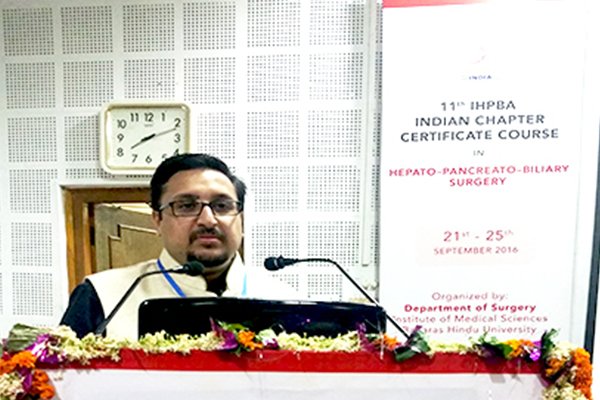
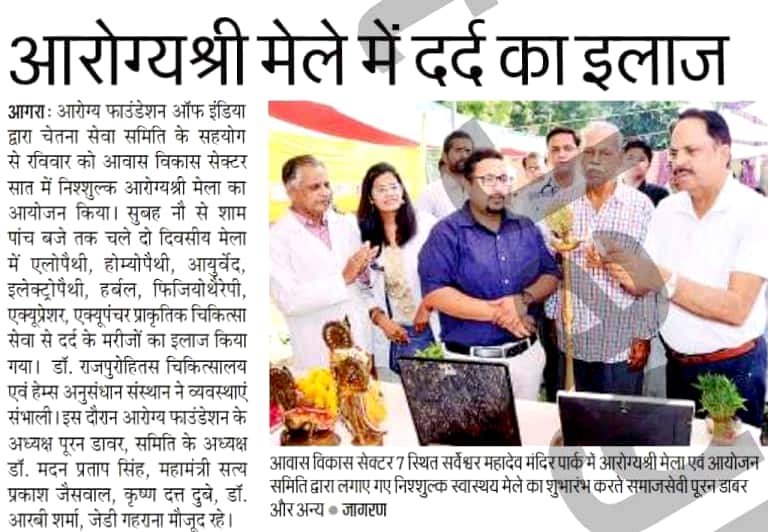
Community heart-health screening camp: a day of prevention
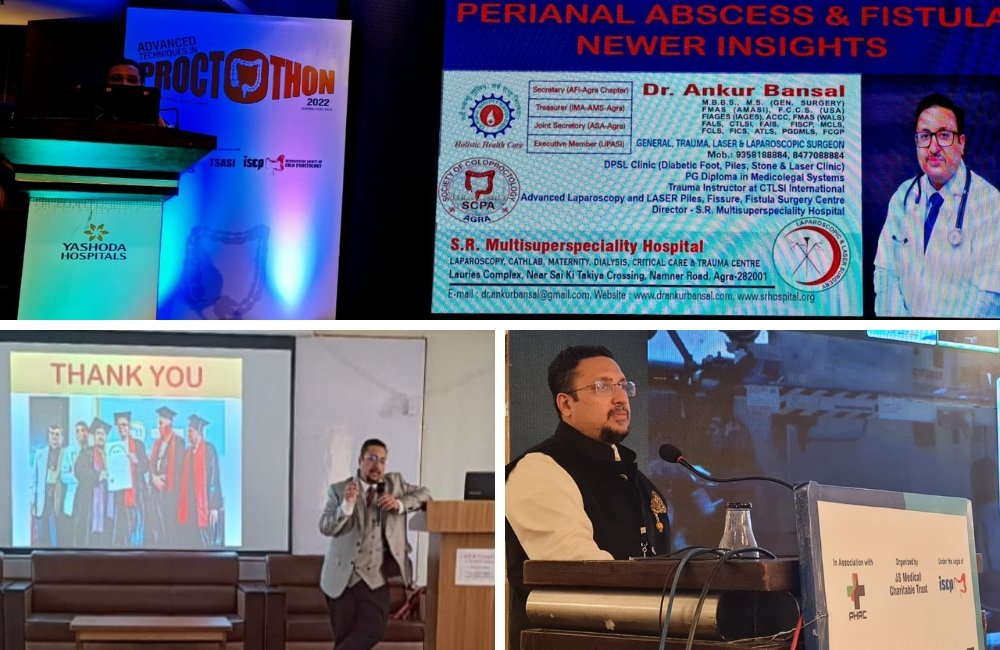
Dr. Bansal speaks on everyday heart habits
New same-day diagnostics now available

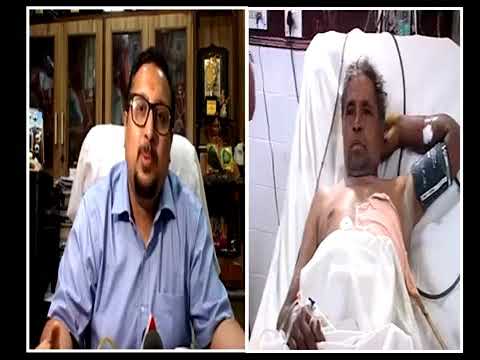


I've heard about SR Hospital, Agra, and the medical services it offers. I appreciate the dedication of healthcare professionals who work hard to care for patients and support the community. Wishing the doctors and staff continued success in their work.
Krishna Chaudhary · PATIENTI haven't personally visited SR Hospital, but I've heard about its facilities and medical services. I appreciate the efforts made by healthcare professionals to provide care and support to patients. Wishing the entire team continued success in serving the people of Agra❤️
Krishna Jaat · PATIENTPosted on: 21 November, 2018 Dr Ankur is best doctor on Agra for laparoscopic years surgery. My husband is operated by Dr Ankur Bansal and has now he is well
Sandhya Nair · PATIENTPosted on: 06 October, 2018 I took my father to Dr Ankur Bansal at S.R Multisuperspeciality Hospital,Agra who was suffering from liver cirrhosis, Dr Ankur took a very good care of him and my father so comfortable and happy with his way of treating patient. Dr listened to my father's problem so patiently and made correct diagnosis. My father is taking all medicines which was prescribed by Dr Ankur regularly and i could see drastic change in his health. Dr Ankur is best doctor i have ever seen in my life. All the best
Sanjay Singh · PATIENTCannot find what you need? Our clinic coordinator will be happy to help.
Call the clinic ↗Please call the clinic or use the appointment form to arrange your follow-up at a convenient time.
Recovery varies by procedure and individual health. Laparoscopic procedures often support a shorter recovery, but your care plan will include specific advice.
Required tests depend on your condition and planned procedure. Your doctor will explain the appropriate investigations during consultation.
Please bring your previous prescriptions, investigation reports, scans and a list of current medicines, if available.
You can use the online appointment form or call us at +91 84770 88884 to request a consultation.
Request a visit online, call our coordinator, or stop by the clinic. We will help you find the right time and type of consultation.
For new consultations, follow-up care and preventive screenings, our team is ready to welcome you.